The Marijuana is Harmless Myth: What New Data Reveals About Addiction Risk
By Scott H. Silverman
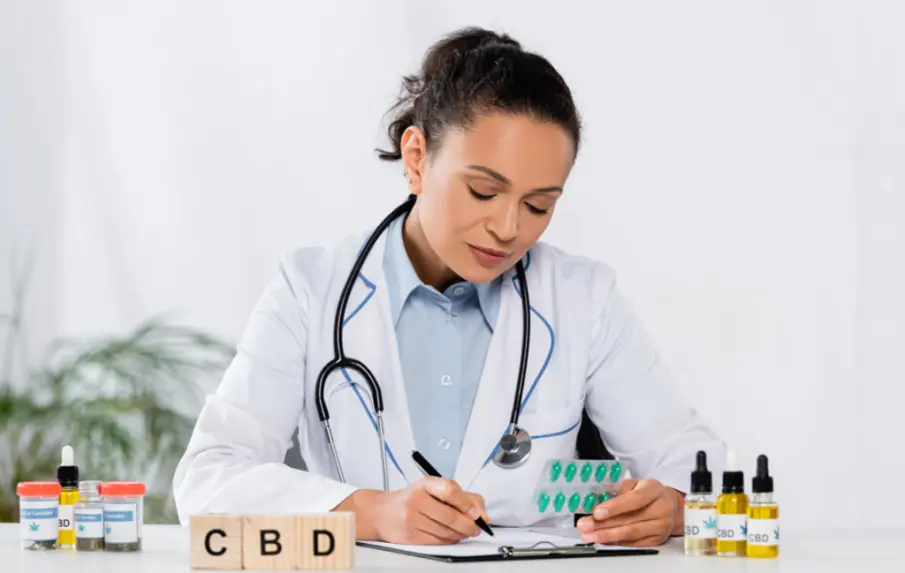
For years, the public conversation about marijuana went something like this: “it's natural, it's not addictive, and it's far safer than alcohol or opioids.” As more states legalized it, those beliefs hardened into conventional wisdom.
But along the way, drug counselors, and emergency room clinicians were seeing a more dangerous side of cannabis: psychological addiction, anxiety disorders, and sometimes, suicidal ideation.
As of the early 2020s, over half of the U.S. population lived in a state where marijuana had legal medical or recreational use. The data that is coming in now is telling a very different story than “marijuana is harmless.”
A study published this month in JAMA Psychiatry, led by Dr. Nora Volkow, Director of the National Institute on Drug Abuse, found that cannabis use disorder among American adults jumped from 15.3 million cases in 2021 to 19.4 million in 2024. That is a sharp rise in just three years, and it lines up with reporting this week in the Washington Times, which cited a University of Michigan analysis showing a 97 percent surge in addiction symptoms among adults ages 40 to 50 since 2017. Public health experts point to the same culprit: a flood of unregulated, high-potency marijuana following state legalization.
In my 40 years working with people caught in the grip of substance use disorders, I have watched marijuana slip past the scrutiny we apply to other drugs. To be honest, I haven’t made much of a fuss about pot as I have been focused on opioids like fentanyl that were fueling the overdose epidemic, and even alcohol still is more destructive than marijuana.
But we need to ring the alarm because the data coming out now confirms what many of us in treatment have seen for a while. This is not the marijuana of a generation ago, and it is not harmless.
The Product Has Changed
One of the biggests driver behind the damage marijuana has wreaked is its increased potency. Average THC content in marijuana “flower” (smokable, plant) product tripled from 1995 to 2014. and most products tested since then run well above 10 percent. Concentrates, vapes, and edibles can push THC levels far higher still.
Dr. Daniel Myran, one of the researchers behind the new addiction findings, put it plainly: the product is "really changing under enormous pressure from market forces to increase the THC content." Dr. Volkow was just as direct. "The notion that cannabis is not addictive may basically be incorrect," she said. "The higher the content of the drug, the higher the risk for addiction."
That is the part of the story that gets lost in the legalization debate. Nobody is arguing that marijuana should be treated like heroin or fentanyl. But treating it as a low-risk substance, when the products on shelves today bear little resemblance to what was studied decades ago, is its own kind of danger.’’
So, Who Is Most at Risk for Marijuana Addiction?
Young adults between 18 and 20 still carry the highest overall rates of moderate to severe cannabis use disorder. This matters because the teenage and young adult brain is still developing, and regular use during that window is linked to lasting effects on memory, attention, and motivation.
The new research found the sharpest increases in cannabis use disorder among men over 35 and women over 21, groups not typically flagged in conversations about drug risk.
There is a wider picture too. An estimated 61.9 million Americans used marijuana in the past year, and close to 30 percent of past-year users now meet the clinical criteria for cannabis use disorder. Only about 16.5 percent of people with the disorder ever get treatment for it, which tells me most families dealing with this have no idea help is even an option.
The Dangers Beyond Addiction
Addiction itself is only part of the concern. Cannabis roughly doubles the risk of a motor vehicle crash, with the danger increasing alongside dose and potency. That is not a small statistic when daily use is climbing.
There is also a child safety crisis hiding inside this trend. Cannabis edible poisonings in children under six rose 1,375 percent between 2017 and 2021, from 207 cases to more than 3,000, and nearly one in four of those cases required hospitalization. Brightly packaged edibles that look like ordinary candy are ending up within reach of toddlers, with real medical consequences.
Even researchers who caution against overreacting acknowledge the concern is real. Dr. Volkow herself noted a limitation in the current research: scientists still lack comprehensive data connecting specific THC concentrations to addiction risk. In other words, we may not yet fully understand how dangerous today's high-potency products really are. That is not a reason for comfort. It is a reason for caution.
What This Means for Families
If someone in your life uses marijuana regularly and you have noticed changes, increased tolerance, irritability without it, or difficulty cutting back, take that seriously. Cannabis use disorder is real, it is diagnosable, and it is treatable, but it is also frequently dismissed because of marijuana's reputation as a "harmless" drug.
Start with an honest conversation, not an accusation. Ask questions instead of delivering ultimatums. Pay attention to potency, since a joint today is nothing like a joint in 1995, and a vape pen or concentrate is stronger still. If use is affecting work, relationships, or health, and stopping feels harder than expected, that is the signal to bring in a professional.
The legalization debate will continue, and reasonable people disagree about policy. But the clinical data is no longer ambiguous. Marijuana today is more potent, more available, and connected to more diagnosed addiction than at any point we have measured. Treating it as risk-free because it used to be is a mistake families cannot afford to make.
If you are worried about your own use, or a loved one's, do not wait for things to get worse before asking for help. Treatment works, and the earlier it starts, the better the outcome tends to be.
About the Author
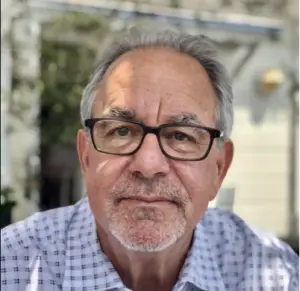
Scott H. Silverman is a high-profile expert on addiction and recovery, making frequent public and media appearances for the last 40 years. He is the author of You’re Not God, That Job is tken and the Founder and CEO of Confidential Recovery, a San Diego substance abuse treatment center specializing in helping Veterans and First Responders get and stay sober.