Burnout and Substance Use: Protecting Mental Health
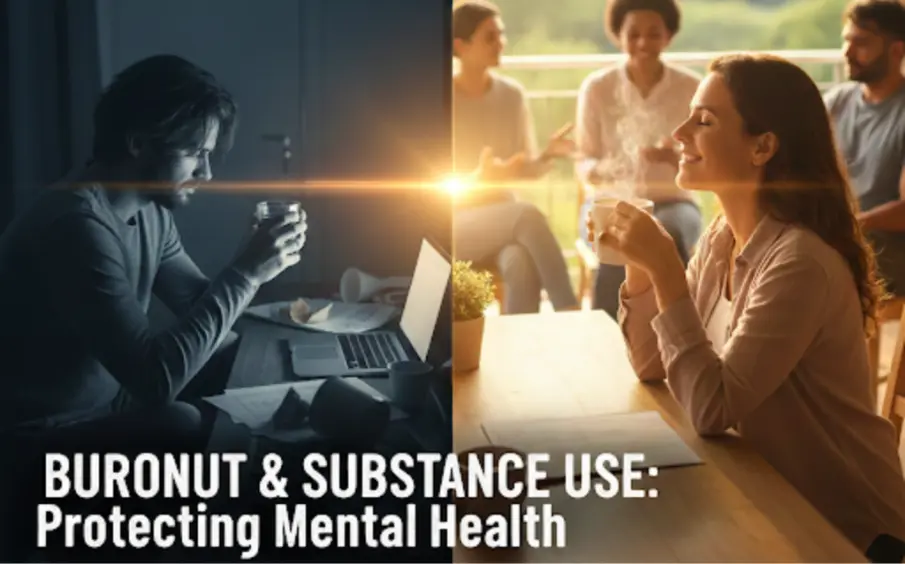
Burnout doesn’t always announce itself loudly. Sometimes it shows quiet trouble sleeping, constant irritability, loss of motivation, or feeling emotionally numb. Over time, many people start looking for relief wherever they can find it. For some, that relief becomes alcohol or other substances.
Burnout and substance use often overlap, especially for workers under pressure, parents managing constant demands, and managers carrying responsibility for others. Understanding this connection and knowing how to interrupt it early can protect both mental health and long-term well-being.
What Burnout Really Looks Like Over Time
Burnout is not just “having a bad week.” It develops when stress becomes constant and recovery never quite happens. Over time, the nervous system stays stuck in survival mode, leaving little energy for joy, focus, or connection.
Common long-term burnout patterns include:
- Feeling emotionally drained before the day even starts
- Detachment from work, family, or responsibilities you once cared about
- A sense of ineffectiveness or feeling “behind” no matter how hard you try
- Physical symptoms like headaches, stomach issues, or chronic fatigue
When burnout persists, people often start searching for ways to shut their minds off or push themselves through creating a risk for unhealthy coping.
Why Burnout Increases the Risk of Substance Use
Substances can feel like a shortcut to relief. Alcohol may seem to help with sleep. Stimulants may appear to boost energy. Other substances may temporarily numb emotional overload.
But this relief is short-lived. Over time, substance use can:
- Disrupt sleep and worsen fatigue
- Increase anxiety, irritability, and depression
- Reduce stress tolerance
- Create dependence, making burnout harder to recover from
This cycle can sneak up on people who never expected to struggle with substance use. Awareness is one of the most effective forms of prevention.
Early Signs the Coping Balance Is Shifting
It may be time to pause and reassess if you notice:
- Using substances to “wind down” most days rather than occasionally
- Feeling unable to relax or sleep without alcohol or drugs
- Increasing amounts needed to feel the same effect
- Guilt or secrecy around use
- Using substances to manage work pressure, parenting stress, or emotional exhaustion
Catching these patterns early makes change far more manageable.
Burnout Prevention That Actually Reduces Risk
Build Recovery Into Daily Life
Burnout improves when recovery becomes routine, not optional. This includes:
- Consistent sleep schedules
- Regular movement, even gentle walks
- Short daily breaks that don’t involve screens or substances
These practices help regulate stress hormones and reduce the urge to self-medicate.
Replace “Escape” With Regulation
Instead of coping strategies that numb, focus on ones that regulate the nervous system:
- Slow breathing or grounding exercises
- Mindfulness or body-based practices
- Creative outlets that engage attention without pressure
These tools work best when practiced before burnout peaks.
Tailored Strategies for Different Roles
For Workers
- Set realistic limits on availability
- Use vacation time without guilt
- Clarify priorities to reduce chronic overload
For Parents
- Normalize asking for help and sharing responsibilities
- Lower unrealistic expectations of perfection
- Schedule non-negotiable personal time, even in small amounts
For Managers
- Watch for burnout signs in teams, not just performance metrics
- Encourage time off and model healthy boundaries
- Create psychological safety around mental health conversations
Prevention works best when individuals and systems work together.
When Professional Support Is the Right Step
If burnout is persistent or substances have become part of coping, professional support can help reset the cycle. Therapy, medical evaluation, or structured care options such as addiction treatment in VA can address both stress and substance use together.
For those seeking care close to home, exploring accredited drug treatment centers in Virginia can be a practical option, especially programs that address substance use alongside mental health and burnout-related challenges.
In Virginia, providers such as Mainspring Recovery offer evidence-based care across multiple levels, including residential treatment and Partial Hospitalization Programs (PHP), designed to support both emotional health and long-term recovery.
A Healthier Path Forward
Burnout thrives in silence and self-blame. Prevention begins with recognizing that exhaustion is not a personal weakness, it’s a signal. Addressing burnout early, learning healthier coping strategies, and seeking support when needed can protect your mental health and reduce the risk of substance use becoming another burden to carry.
If you or someone you care about is struggling, confidential help is available 24/7 in the U.S. by calling, texting, or chatting 988. Support exists and taking the first step can change the direction of what comes next.
This article is for educational purposes only and does not replace professional medical or mental health advice.
More to Read:



Previous Posts: